
The Brickell restaurant we work with hit their all-time record month in December. They also hit their worst month of the year in August. Same food, same team, same marketing budget flowing at the same steady clip. What the numbers actually reflected was Miami itself, which runs on a calendar most marketing plans quietly ignore.
We rebuilt their plan around the real local calendar. Same total annual budget, weighted differently by month. Their December record climbed 22 percent higher. Their August floor climbed 40 percent. The annual revenue lift was north of 15 percent, entirely from timing.
This post is the Miami marketing calendar we plan around for every local client. Four real seasons, what to invest in during each, and the local realities that make Miami different from every other market in the country. If you want us to build a plan around this, our digital marketing strategy service is where this planning work lives.
A note on scope. This is written for Miami small businesses that serve Miami customers, tourists, or a mix. Businesses selling nationally from a Miami base share some of these rhythms (staffing, hurricane season) but not the customer-facing ones. Adapt accordingly.
Miami's Real Four Seasons
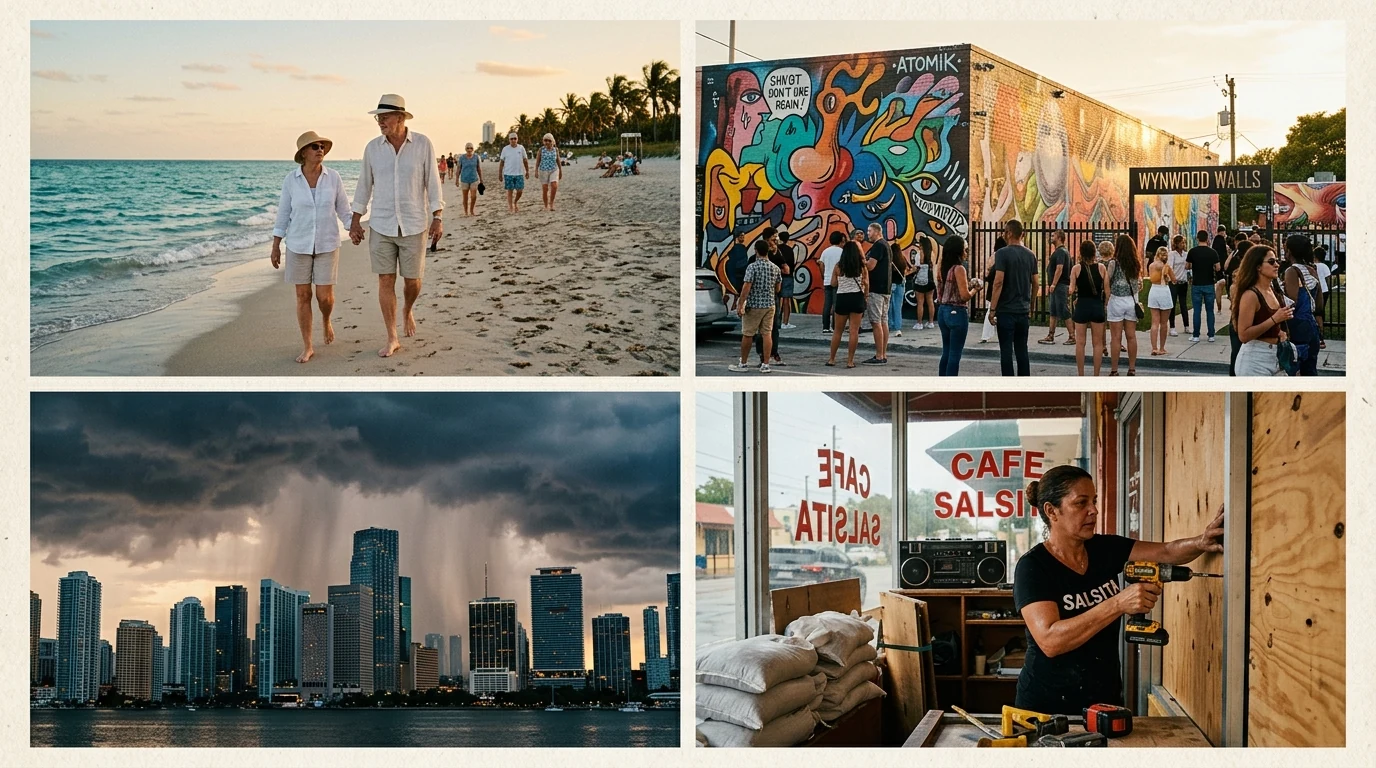
Miami runs on four seasons that map only loosely to the traditional calendar. Understanding the shape of each is the foundation of every good local marketing plan.
Season 1: High Season (November 15 to April 15). Snowbirds, tourists, event-driven demand, and the highest disposable spending of the year. Peak weeks are Thanksgiving, Christmas through New Year's, Art Basel (early December), the Miami International Boat Show (February), Ultra Music Festival (March), and Spring Break (mid-March through April). Almost every consumer-facing Miami business does 45 to 60 percent of its annual revenue in this window.
Season 2: Shoulder Spring (April 15 to June 15). Snowbirds leave. Tourism drops. Locals reset from the intensity of high season. Weather is still lovely. Businesses that serve locals well can hold or grow revenue while tourist-heavy businesses dip. This is the ideal window to launch new offerings, do brand work, or test new marketing angles.
Season 3: Deep Summer (June 15 to September 15). The floor of the year for consumer spending. Locals travel. Tourism thins. Weather is punishing. This is also hurricane season, which creates operational and marketing challenges nobody outside the state fully understands. Marketing spend in this window works best when it targets locals directly with reasons to spend at home.
Season 4: Recovery and Ramp (September 15 to November 15). Snowbirds start scouting the market. Tourists begin returning. Businesses tune up for the high season ahead. This is when brand awareness campaigns for the coming winter pay off most, because buyers are researching where to go and what to book before they arrive.
The businesses that grow in Miami plan spend, staffing, and messaging against these four seasons instead of the generic Q1 to Q4 pattern.
Season 1: High Season Marketing (November 15 to April 15)
The instinct in high season is to lean into paid ads because the buyers are there. That is mostly right, with three specific twists.
Paid ads work well because search volume and buyer intent both spike. Google Ads and Meta Ads should run at the higher end of the annual budget. Increase bids for high-intent commercial queries. Loosen negative match lists slightly to catch adjacent demand you might normally filter out.
Content marketing works surprisingly well because researcher volume is high. Buyers planning a Miami trip or a Miami purchase read content for weeks before booking. Content published in September and October compounds through high season. Content published in December often lands too late.
Loyalty and referral programs matter more than usual. High season is when your best customers spend at their peak levels. Getting them to refer friends who are also in town for the season creates a compounding loop that quiet months do not offer.
Avoid discounting in high season. Miami buyers will pay full rates when demand is real. Discounts train them to wait for offers and pull profit out of your peak months. Save promotional pricing for shoulder and summer.
Businesses that run heavy on high season should also block the last two weeks of April on the marketing calendar for reset work. This is when the year's data is freshest and the team has time to plan. Our SEO service rebuild cycles typically kick off in mid-April for exactly this reason.
Season 2: Shoulder Spring Marketing (April 15 to June 15)
Shoulder spring is when Miami feels most livable. Weather is beautiful, prices are moderate, restaurants are less packed, and locals are out. Marketing during this window should target locals directly.
Test new offerings and messaging with lower stakes. If you have been thinking about launching a new service, adjusting your menu, or trying a new ad angle, this is the window to test. Buyer feedback is fast and forgiving.
Invest in brand-level marketing. Photography, video, brand refresh work, and content library building all pay off later. This is the season when you build the assets that will power high season next year.
Local partnerships thrive. Cross-promotions with complementary Miami businesses, sponsorship of community events, and involvement with the Chamber of Commerce or BNI chapters all move the needle at low cost.
Direct email marketing to your customer list performs well because inboxes are less crowded than in high season. This is a great window for a "hello locals" campaign, a customer appreciation event, or a member-only promotion.
Cut back on paid ads. Search demand drops. The same ad budget spent in high season goes further. Shift the money to content, brand, and local partnership work.
Season 3: Deep Summer Marketing (June 15 to September 15)
Summer is where a lot of Miami small businesses lose money. It does not have to be that bad. Three specific plays help.
Target locals with reasons to stay in town. Locals who did not travel are looking for reasons to spend. Miami residents love their city most in the empty summer months. Restaurants can pack a Tuesday night with a locals-only tasting menu. Retail can run summer-only capsule collections. Services can offer summer-only packages tied to specific outcomes.
Run promotional pricing intentionally. This is the season where discounting can make sense. But structure it as a limited-time offer with a clear window and a compelling reason (heat-relief specials, hurricane season resilience packages, summer-only rates for locals). Random discounts train customers to expect them. Structured seasonal offers do not.
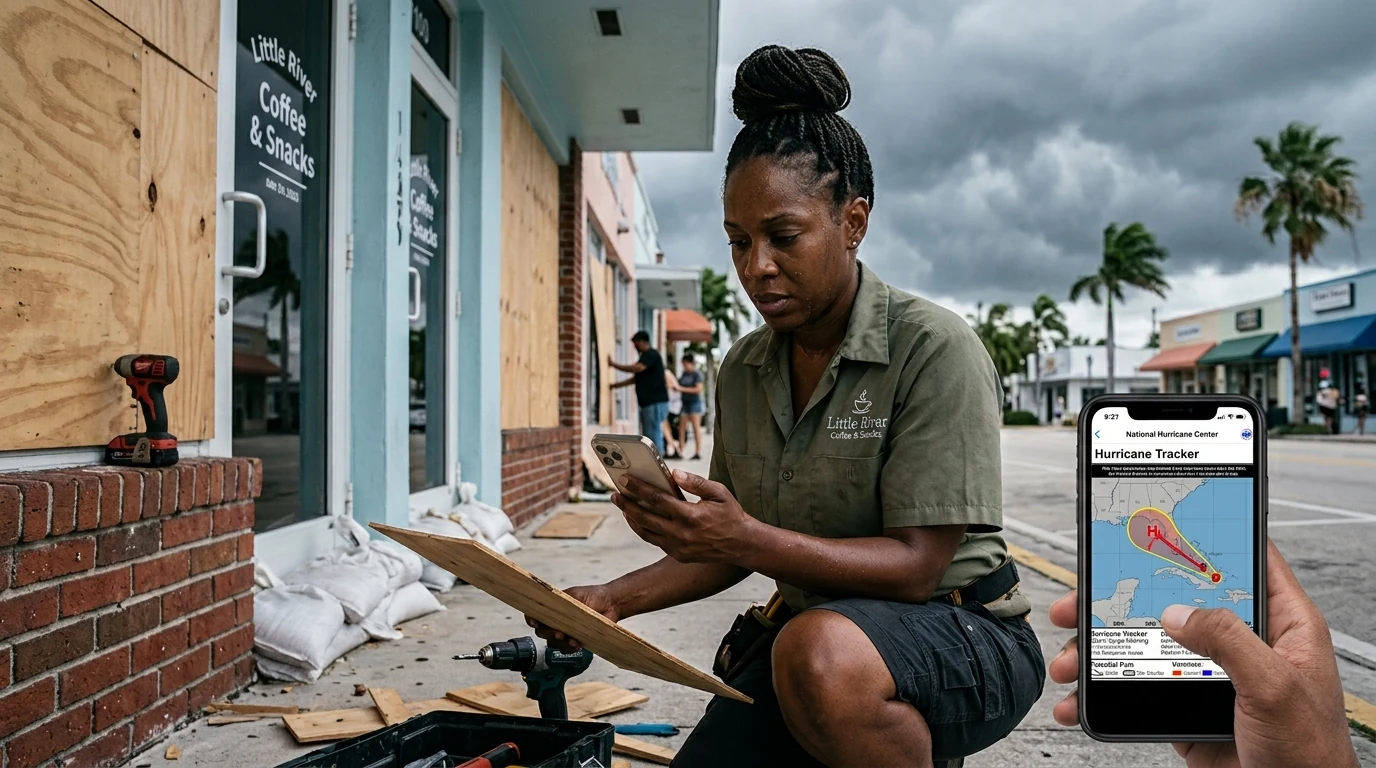
Prepare for hurricane season. Every Miami business should have a hurricane response plan that includes marketing communications. If a storm shuts down operations for a week, prepared businesses recover faster because they communicate clearly and quickly. This includes email templates, social post templates, website banner code, and a plan for reopening messaging. This is the operational marketing work most agencies skip because it does not feel like growth. It saves the year for the businesses that need it.
Content publishing continues to matter because researchers are researching for the coming season. Content published in June and July compounds into the fall.
Cut back on tourist-targeting paid spend. Miami tourism is at its floor. Shift to local targeting.
Season 4: Recovery and Ramp Marketing (September 15 to November 15)
Fall is the most important marketing window of the year for most Miami businesses because it is when high-season buyers are researching, and where you show up now determines what they book in December.
Ramp up paid search significantly. Buyers planning winter Miami trips are searching in September and October. Meta and TikTok ads for aspirational content perform especially well because buyers are dreaming before they arrive. Our Google Ads service runs these campaigns specifically for Miami hospitality and retail clients each fall.
Publish content aggressively. October and November are the best content publishing months of the year for Miami businesses. Content lands at the exact moment researchers are researching. Every piece published in October has a chance to influence a high-season purchase.
Build the review base. Fall is when businesses should be aggressively pursuing reviews from summer customers. High-season buyers read reviews before booking. Businesses that arrive at December 1 with 300 reviews outperform ones that arrive with 90, all else equal.
Update all Google Business Profile content. Fresh photos, seasonal posts, updated hours (including holiday hours), and current offerings all move rankings in Google Maps just as high season demand kicks in.
Refresh website content, especially seasonal pages. A Miami restaurant with a "menu" page from March is signaling neglect. A restaurant with a "fall menu" or "November tasting" page is signaling life. Google reads freshness. Buyers do too.
Rehire and retrain for high season. This is operations, not marketing, but it feeds marketing. Businesses that arrive at December 1 with under-trained new staff cannot deliver the experience the marketing sells.
The Miami Specifics Non-Local Agencies Miss
Four realities that Miami small businesses live with and non-local agencies almost always overlook.
Hurricane season affects every consumer-facing business. Marketing communications during a storm week are as important as marketing during a launch. Plan them in advance.
Bilingual reality shapes every campaign. English and Spanish messaging need to run in parallel, not as translations of each other. Some markets (Doral, Hialeah, Little Havana) are Spanish-first. Some markets (Brickell, Coral Gables) are bilingual but English-first. Some markets (Miami Beach, Wynwood) are English-first but heavily bilingual. Know your market's default.
Snowbird demand shapes November through April. Snowbirds have different research patterns, different buying preferences, and different price sensitivity than locals or tourists. Target them specifically with location targeting from their home markets (New York, Boston, Chicago, Toronto, Montreal) starting in August and September.
Art Basel week (early December) is its own micro-season. Almost every Miami consumer business sees demand spikes. Plan menus, offers, campaigns, and staffing around it explicitly.
If any of this feels like a lot to keep straight, look at examples of Miami annual marketing plans in our portfolio.
The One Thing to Do Tomorrow
Open your marketing spend for the last 12 months and split it by month. Overlay it with your revenue for the same 12 months. If your spend is flat across the year but your revenue is not, you are already leaving money on the table by not matching the two rhythms. That gap is your first fix.
When you are ready to build a Miami-specific annual plan, start a project with us and we will scope your calendar around the real four seasons, your specific vertical, and the neighborhoods you serve.